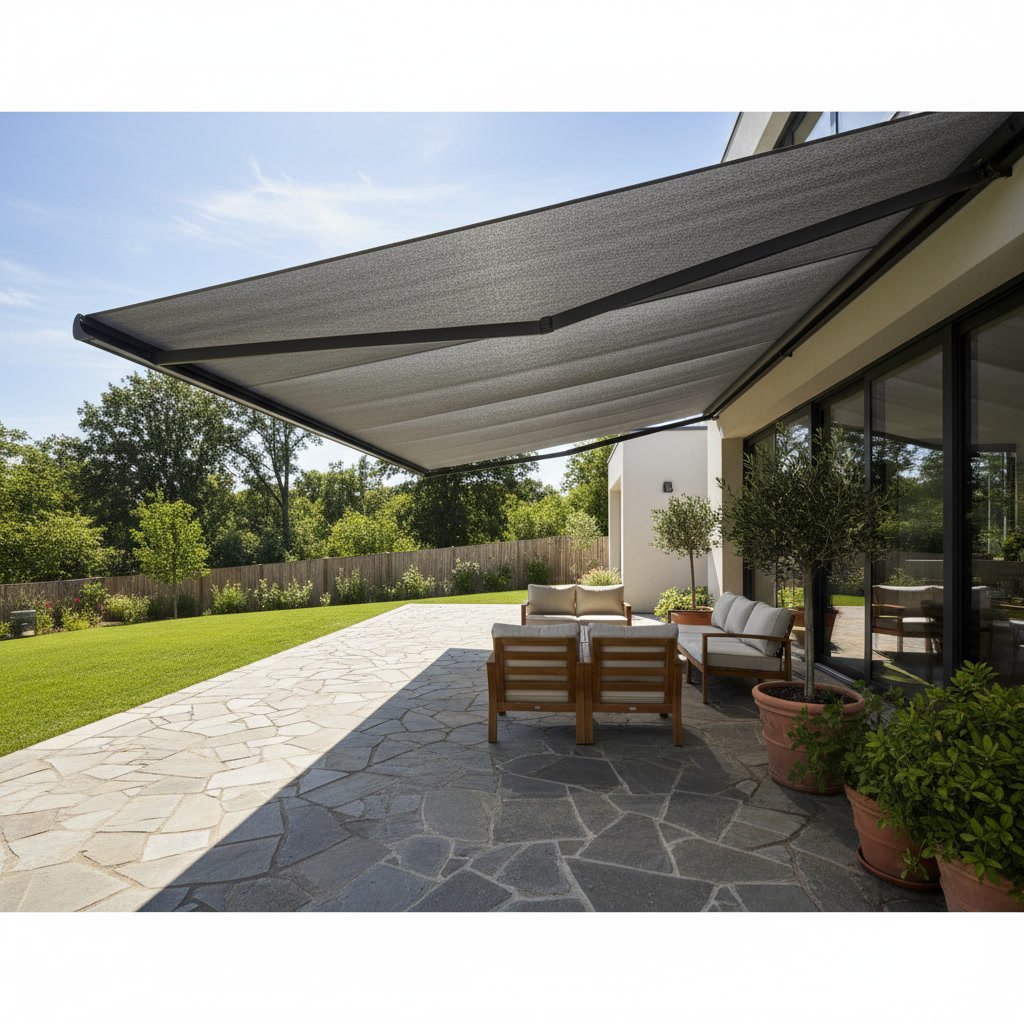
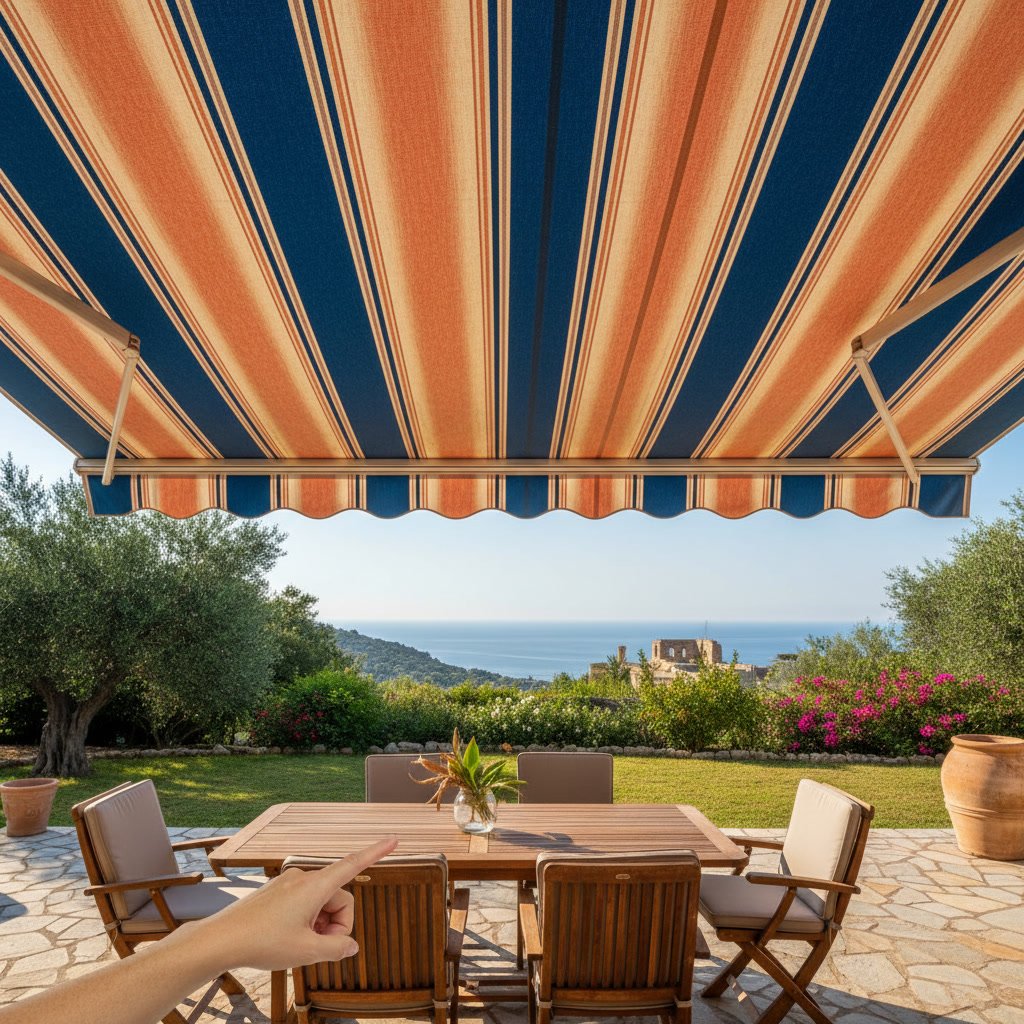
Retractable awnings typically last 5 to 15 years depending on fabric quality, frame construction, climate exposure, and maintenance. High-quality systems with proper care can exceed 15 years, while budget models in harsh conditions may need replacement or refabric sooner. Understanding how long retractable awnings last helps you make a smarter investment and plan for upkeep that protects your outdoor space for years.
Why Lifespan Matters When Choosing Shade
Most homeowners think about color and size when shopping for shade, but longevity drives the real value. An awning that fades in three years costs more per season than one that holds up for a decade. Lifespan depends on more than the sticker price. It reflects material choices, how the system is built, where you live, and whether you treat the awning like a piece of outdoor furniture or a maintenance-free appliance.
Knowing what to expect helps you set a realistic budget and avoid disappointment. If you live on the water or face constant sun, you need different performance than someone with a north-facing patio in a protected neighborhood. The right awning in the right conditions, maintained correctly, gives you years of reliable shade without constant repairs or early replacement.
What Drives the Typical Range
The five to 15 year range reflects the reality that not all retractable awnings are built the same. Entry-level systems use thinner fabrics, lighter gauge aluminum frames, and basic motors. These can work well in mild climates with attentive owners, but they wear faster under stress. Premium systems use solution-dyed acrylic fabrics that resist fading, heavy-duty frames that handle wind, and commercial-grade motors designed for thousands of cycles.
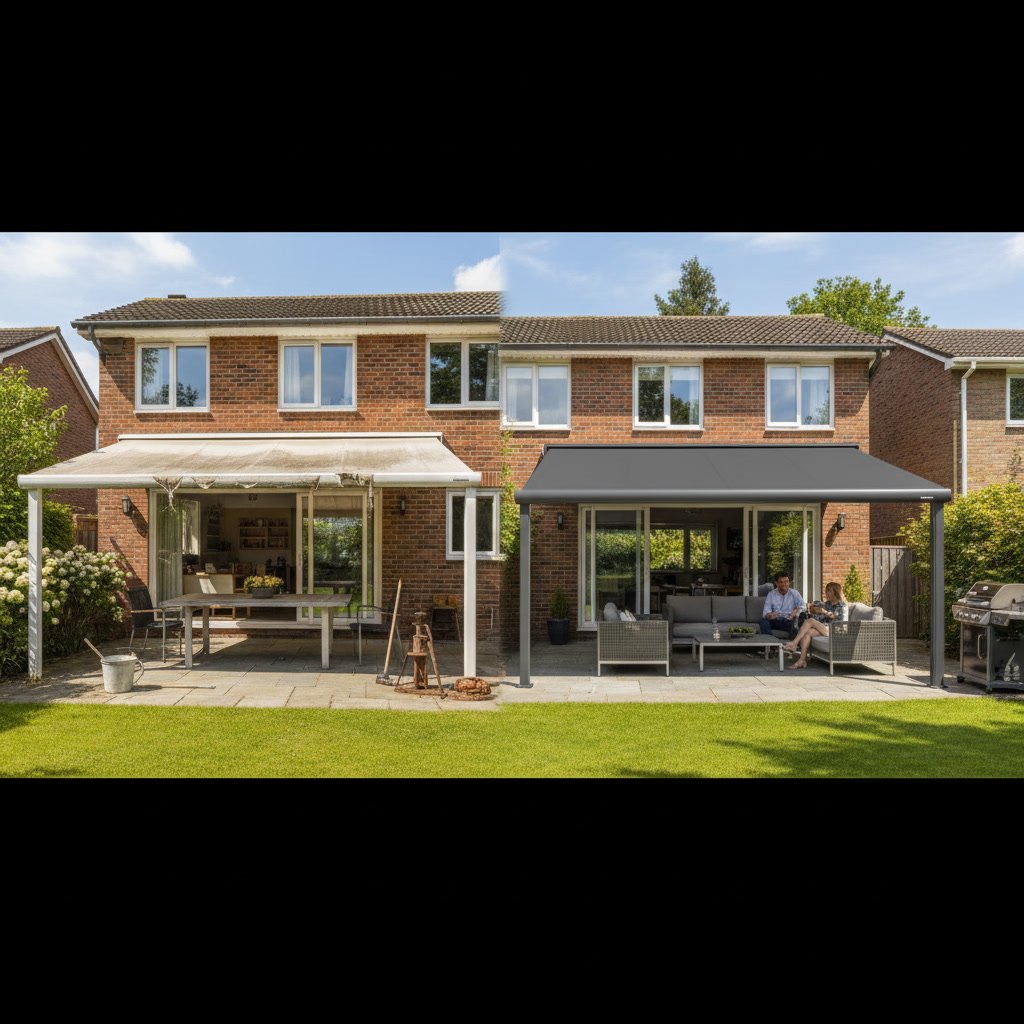
The fabric usually fails before the frame. Sun breaks down fibers, rain leaves stains, and mildew grows in damp folds. A quality fabric rated for outdoor use can last 10 years or more before it shows significant fading or weakening. Cheaper polyester blends might look acceptable for three to five years, then deteriorate quickly. The frame and hardware, if properly installed and not abused by wind, can outlast multiple fabric replacements.
Fabric Quality and UV Resistance
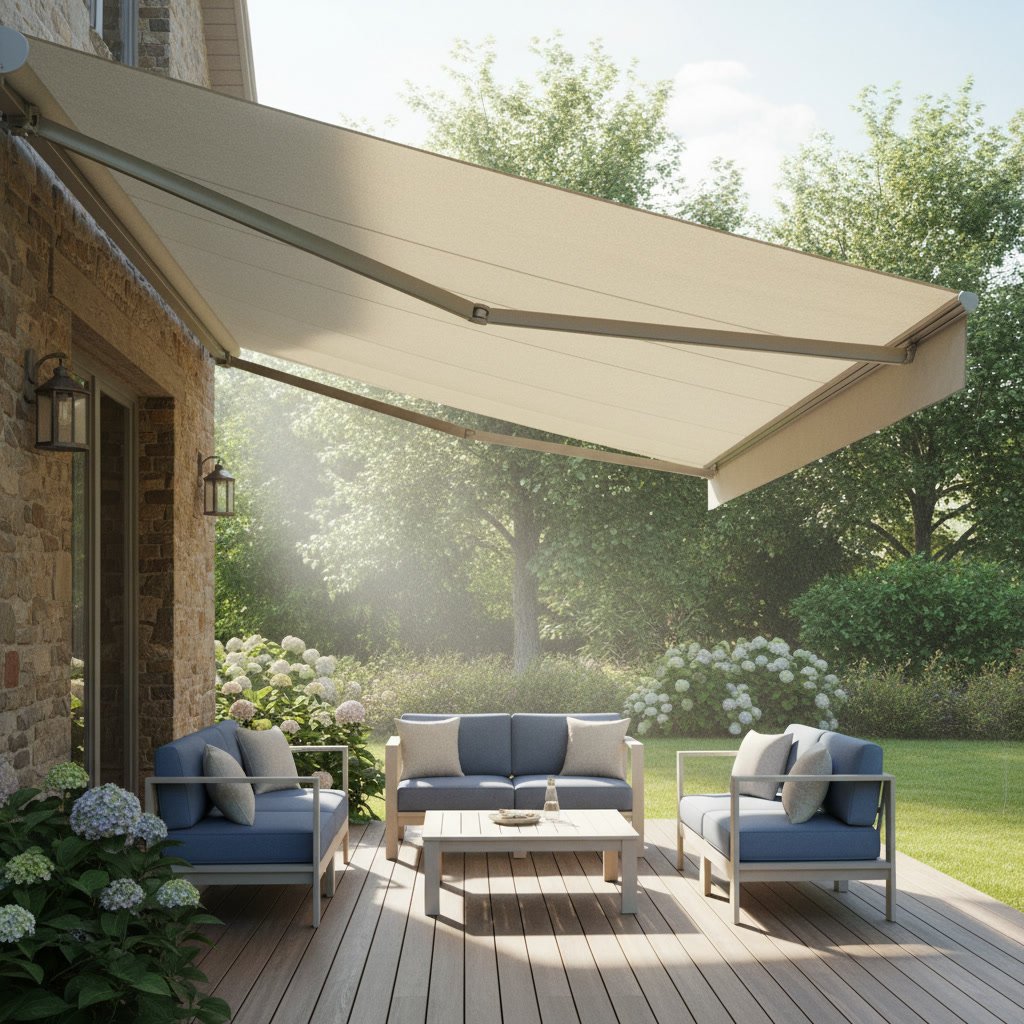
Fabric is the front line against sun damage, and not all materials age equally. Solution-dyed acrylic is the standard for quality awnings because the color is embedded in the fiber during manufacturing, not printed on the surface. This means the pigment does not wash or fade as quickly. Acrylic also resists mildew better than untreated polyester and breathes to reduce heat buildup underneath.
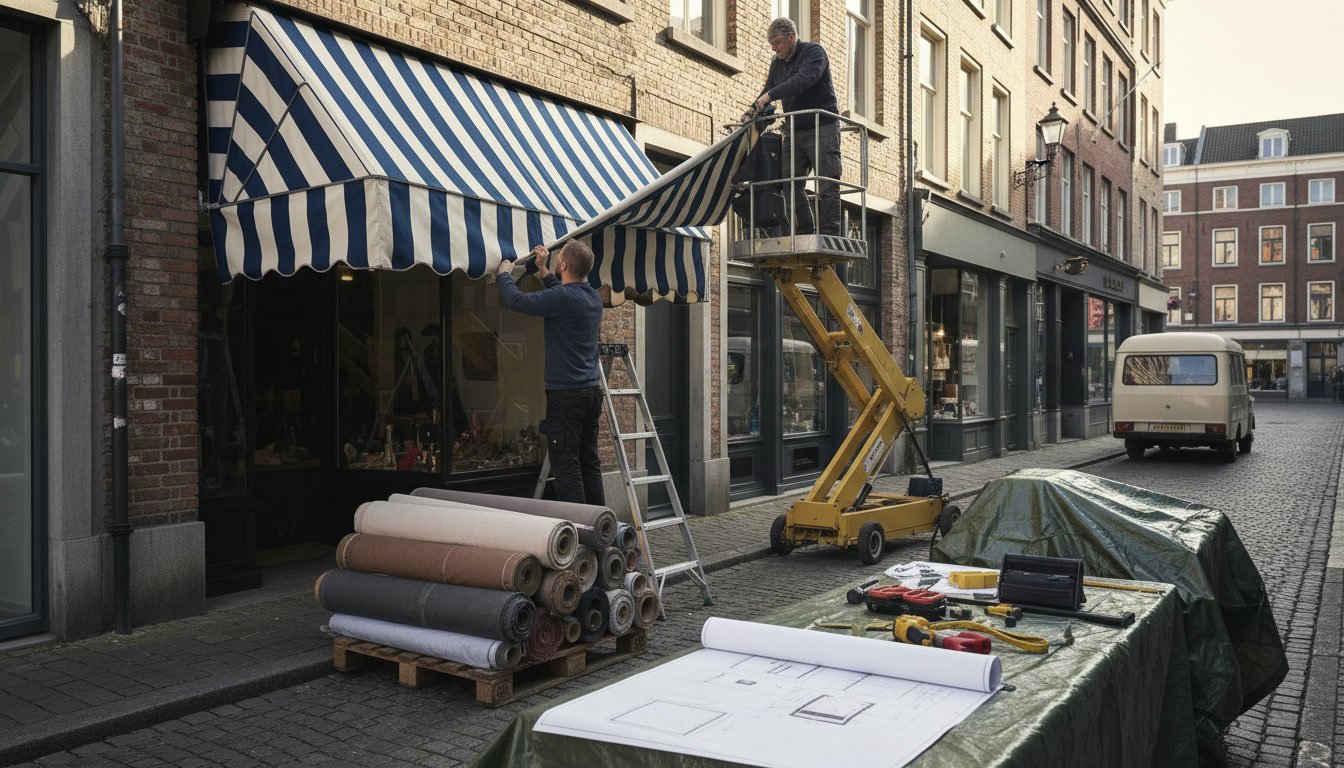
Budget awnings often use printed polyester or vinyl-coated fabrics. These may look bright at first, but UV exposure breaks down the surface coating and causes rapid fading. Within two to four years, you may see noticeable bleaching on the side that faces the sun. If you plan to keep an awning long-term, investing in better fabric pays off. When the time comes, you can extend the system’s life with replacement fabrics instead of buying a completely new awning.
Frame Construction and Hardware Durability
The frame is the skeleton that holds everything together. Most retractable awnings use aluminum because it resists rust and stays light enough for the motor to handle. Heavier gauge tubing and reinforced joints make a noticeable difference in wind resistance and long-term stability. Cheaper frames use thinner walls and plastic connectors that crack or strip under stress.
Hardware includes the mounting brackets, motor, arms, and retention systems that keep the fabric taut. Stainless steel fasteners resist corrosion better than plain steel, especially in coastal areas. Motors vary widely in lifespan. A quality motor rated for 10,000 cycles can easily last a decade with normal use, while a basic motor might fail within five years. Arms that extend and retract the fabric need smooth bearings and strong springs or cables. When these wear out, the awning may not open or close evenly, and replacement parts keep the system functional without full replacement.
Climate and Weather Exposure in Annapolis and the Eastern Shore
Living near the Chesapeake Bay means dealing with salt air, high humidity, strong summer sun, and occasional high winds. These conditions accelerate wear compared to drier, calmer climates. Salt corrosion affects metal parts, especially if they are not properly coated or made from marine-grade materials. Humidity encourages mildew growth on fabric, particularly if the awning is retracted while damp.
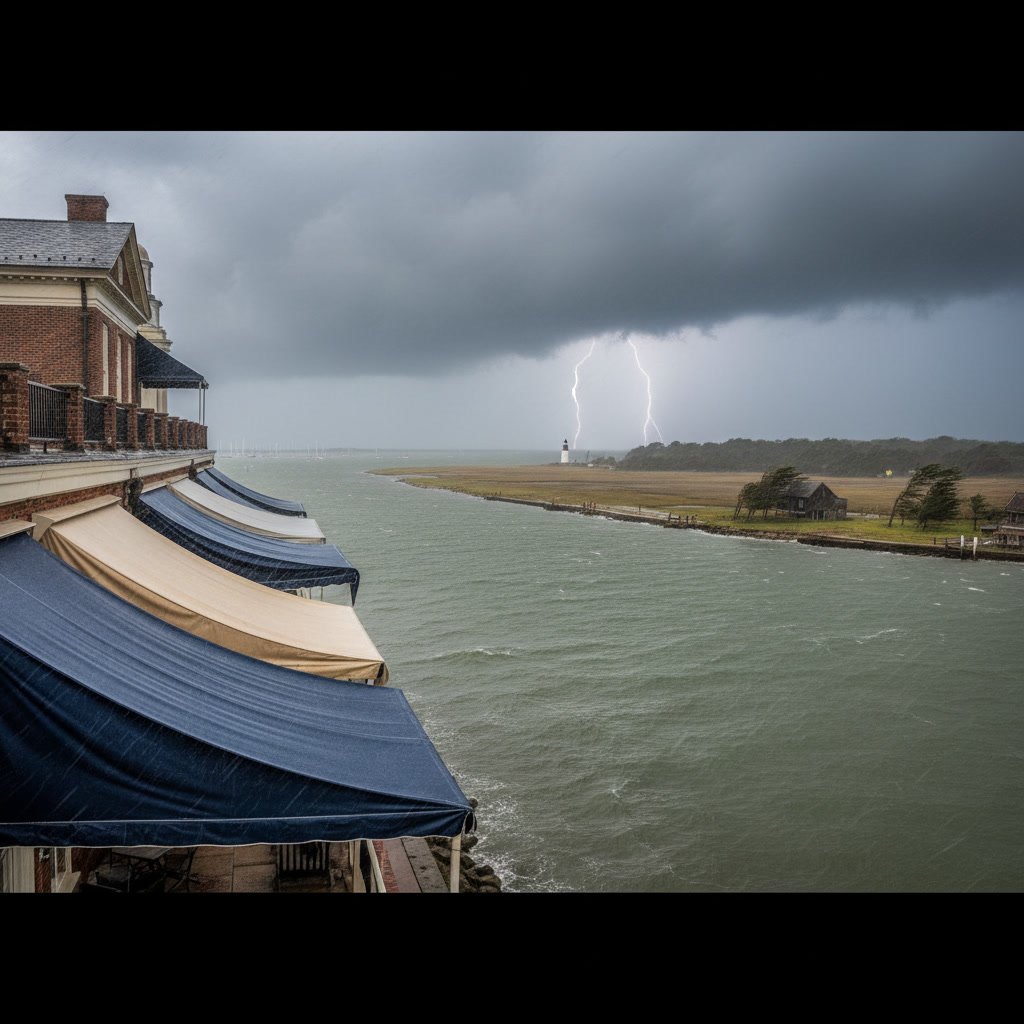
Sun intensity also matters. A south-facing awning in Annapolis receives more direct UV exposure than one facing north. Over time, this degrades the fabric faster and can weaken stitching. Wind is the biggest mechanical stressor. An awning left open during a storm can bend arms, tear fabric, or even rip mounting brackets out of the wall. Choosing a system rated for your area and retracting it when weather turns is the simplest way to add years to its life.
How You Use and Maintain Your Awning
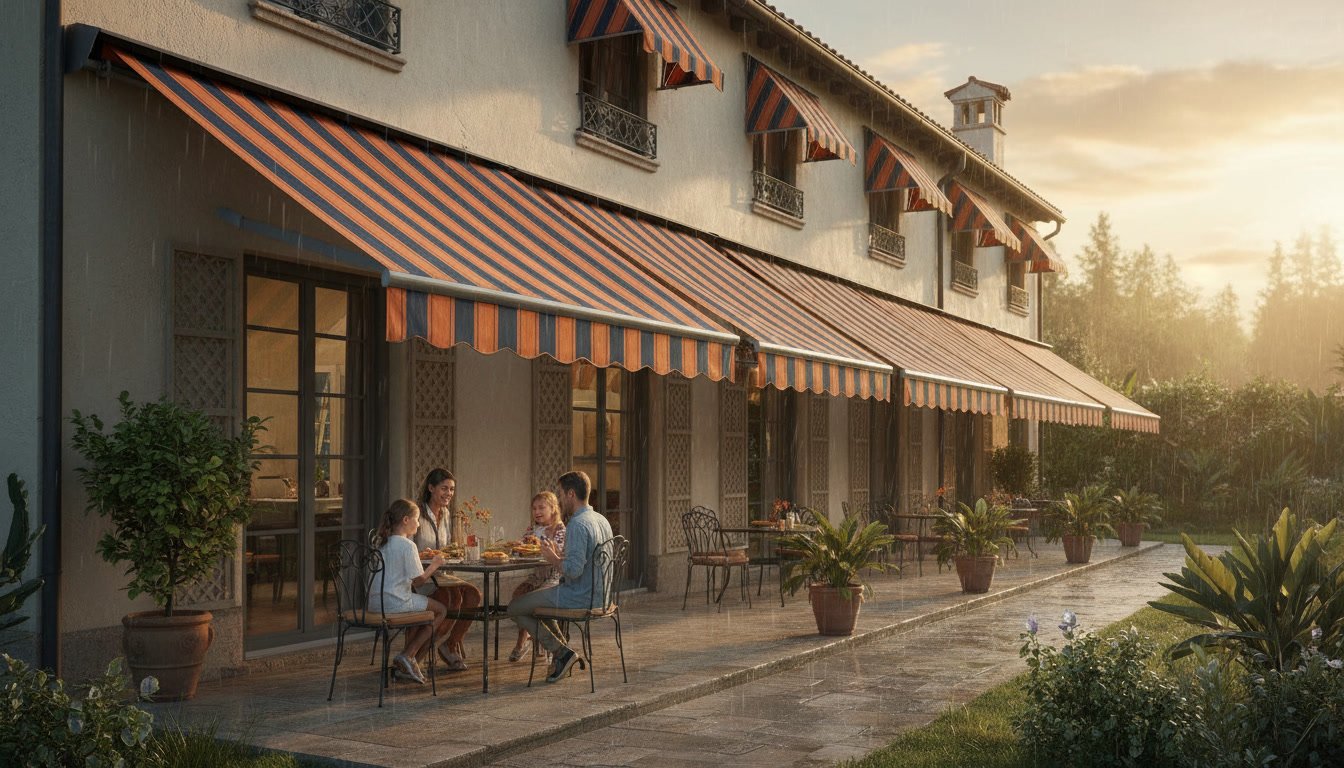
An awning that stays extended all summer in full sun will age faster than one that is retracted during peak heat or when not in use. Retracting the awning during storms, heavy rain, or high wind prevents mechanical damage and keeps water from pooling in the fabric. Even a gentle breeze can turn into a sail effect that stresses the arms and frame.
Basic maintenance extends lifespan significantly. Rinse the fabric a few times each season with a garden hose to remove pollen, dirt, and salt. For deeper cleaning, use mild soap and a soft brush, then rinse thoroughly and let it dry completely before retracting. Never retract a wet awning for extended periods, as trapped moisture encourages mold. Inspect the arms, motor, and mounting points annually for loose bolts, corrosion, or unusual wear. Catching small issues early prevents bigger failures later.
Motorized vs Manual Operation
Motorized awnings offer convenience but add a mechanical component that can fail. A quality motor should last 10 years or more, but cheaper motors may quit after a few seasons. When a motor fails, it can sometimes be replaced without changing the entire awning. Manual awnings use a hand crank, which has fewer parts to break but requires more effort to operate. Because manual systems are simpler, they often last longer overall, though most homeowners prefer the ease of a remote or wall switch.
If you are curious about the mechanics behind these systems, understanding how retractable awnings work helps you troubleshoot issues and maintain the system properly. Motors also benefit from occasional use during the off-season to keep internal components moving and prevent seizing.
When to Repair vs Replace
Not every problem means you need a new awning. Fabric replacement is the most common repair and can give you another 10 years from a frame that is still solid. Motors can be swapped out if the rest of the system functions well. Arms and springs are also serviceable parts. If the frame itself is bent, corroded, or the mounting points are compromised, replacement often makes more sense than trying to salvage it.
Evaluate the overall condition before deciding. If the fabric is faded but the frame is strong and the motor works, refabric is a smart investment. If multiple components are failing and the awning is already past 12 years, replacement may be more cost-effective. Keeping up with minor repairs and stocking parts and accessories can stretch the functional life well beyond the average range.
Comparing Retractable and Stationary Systems
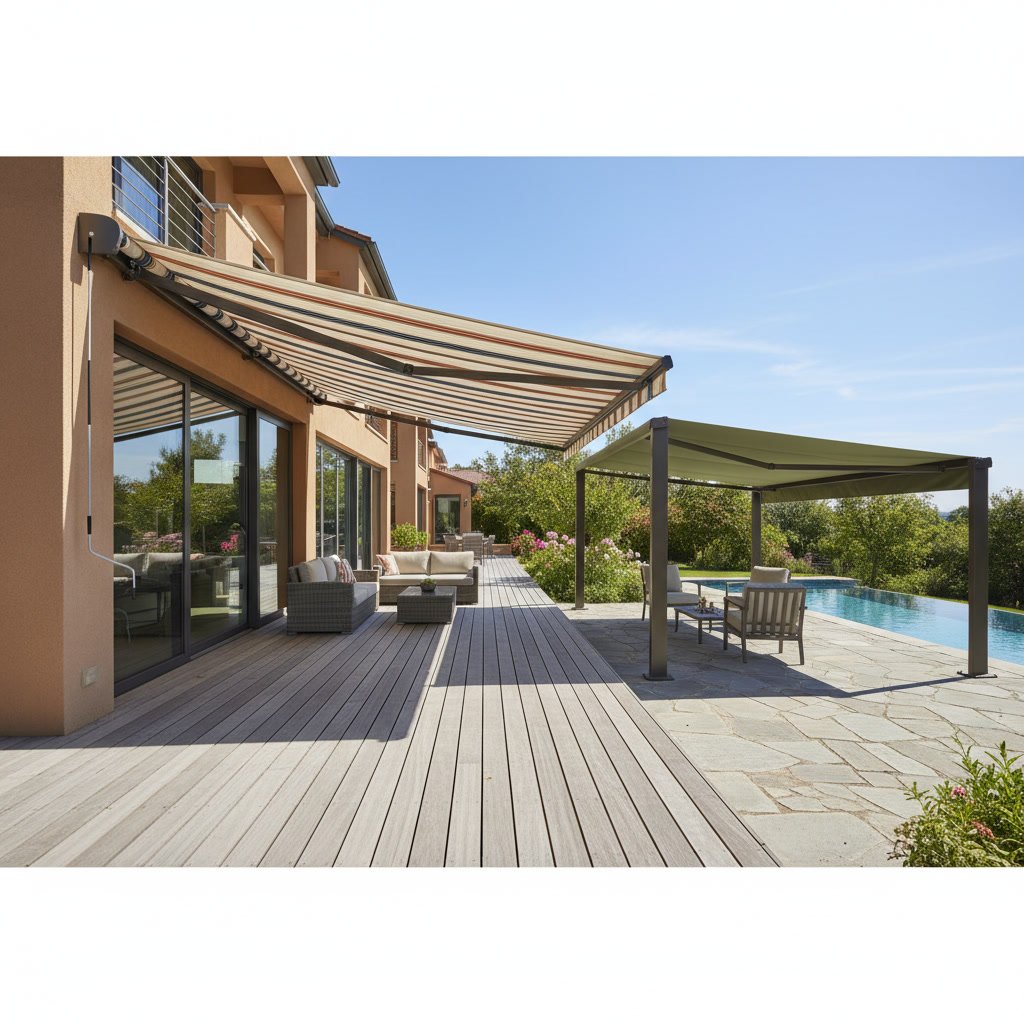
Retractable awnings trade some durability for flexibility. Because they move, they have more parts that can wear out. Stationary awnings are fixed in place, so they face constant exposure but have fewer mechanical points of failure. A well-built stationary awning can last 15 to 20 years or more because the frame is not flexing and the fabric is not repeatedly rolled and unrolled.
If you need shade in the same spot year-round and do not mind a permanent structure, a stationary system may outlast a retractable one. If you want the option to let sun in during cooler months or protect the awning during storms, a retractable system offers that control at the cost of more maintenance. Both have their place, and the best choice depends on how you use your outdoor space.
What You Can Do to Maximize Lifespan
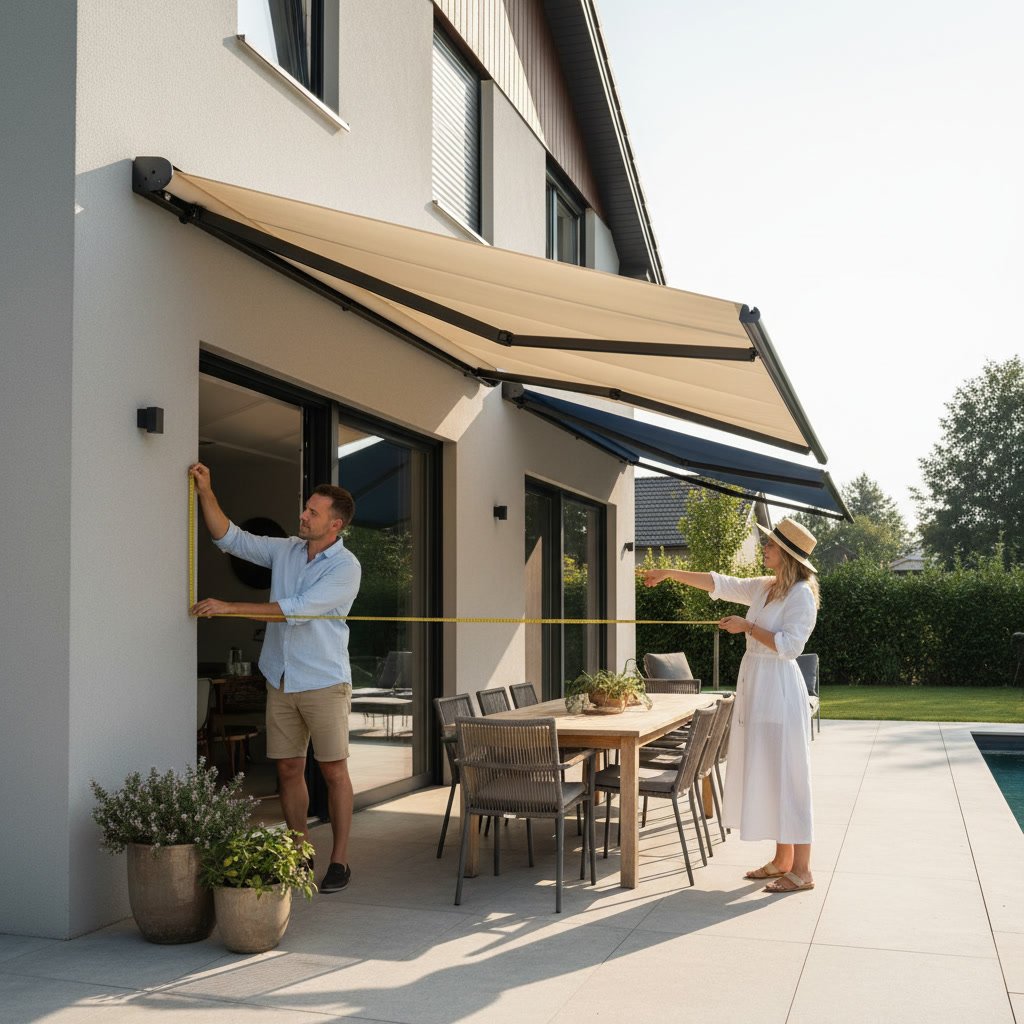
Start by buying quality. A well-made awning with good fabric and a solid frame costs more upfront but delivers better performance per year. Choose a system rated for your climate, especially if you face strong winds or salt air. Have it installed correctly by a crew that understands load-bearing walls, proper pitch for water runoff, and secure mounting. Poor installation shortens lifespan more than almost any other factor.
Retract the awning when you are not using it and always retract it during storms. Clean the fabric and hardware regularly. Lubricate moving parts according to the manufacturer’s instructions. If you notice a problem, address it quickly instead of waiting for a small issue to become a major failure. These habits add years to any system and protect your investment.
Getting the Most From Your Outdoor Shade Investment
Retractable awnings offer a flexible, effective way to control sun and heat, and with the right care, they deliver a decade or more of reliable service. Fabric quality, frame construction, climate, and maintenance all play a role in determining lifespan. By understanding these factors, you can choose a system that fits your needs and take steps to keep it working well for as long as possible. Whether you are planning a new installation or looking to extend the life of an existing awning, the decisions you make today shape the value you get tomorrow.
Awning2Go has helped homeowners and businesses across the Eastern Shore choose and maintain shade systems that hold up to local conditions. If you are ready to add retractable shade to your property or need service on an existing awning, reach out for a free consultation. Call +14109995607 or visit our contact page to schedule a site visit and get a straight answer about what will work for your space.